
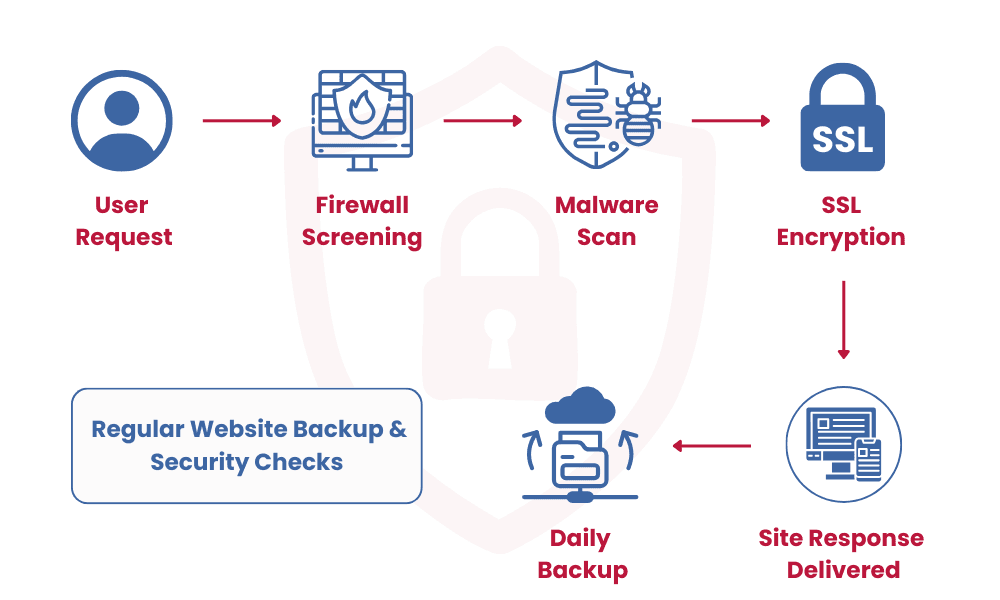
Plan AWS and cloud infrastructure around workload, availability, security, backups, observability, cost, and operational ownership.
Cloud platforms offer many services, but more services do not automatically create a better system. Complexity increases cost and operational burden. A disciplined setup connects technical choices to business risk and actual workload behavior.
Quick answer
A reliable cloud setup starts with workload requirements, expected traffic, data sensitivity, recovery objectives, deployment frequency, operational skills, and budget. Architecture should be as simple as possible while meeting availability, security, monitoring, and recovery needs.
Define the workload and reliability target
Document the application, users, traffic patterns, integrations, storage, database behavior, background jobs, and regions served. Clarify which failures are tolerable and which interrupt essential business activity.
Set realistic recovery objectives for data loss and downtime. These decisions influence backups, replication, deployment, and the level of redundancy worth paying for.
Secure identities, networks, and secrets
Use least-privilege access, separate human and workload identities, strong authentication, restricted network paths, encrypted connections, and managed secret storage. Review who can change infrastructure and how those changes are recorded.
Security also depends on patching, dependency awareness, logging, and response procedures. Cloud controls do not remove responsibility from the application and operating team.
Design backups that can be restored
A backup is only useful when it contains the right data, is protected from the same failure, and can be restored within the required time. Document retention, encryption, location, access, and restoration steps.
Test restoration periodically with realistic dependencies. Discovering missing credentials, incompatible versions, or incomplete data during an incident is too late.
Monitor performance, failures, and cost
Collect useful application, infrastructure, and audit signals. Alerts should identify conditions that need action without overwhelming the team with noise.
Tag resources, review idle capacity, understand data-transfer costs, and connect spending to workloads. Optimize after observing usage rather than designing an elaborate architecture around guesses.
Practical checklist
- Workload, traffic, data, and reliability requirements
- Identity, network, encryption, and secret controls
- Documented and tested backup and recovery plan
- Deployment, logging, monitoring, and alert ownership
- Budget, resource tagging, and regular cost review
Common mistakes to avoid
- Choosing architecture from trends instead of workload needs
- Assuming a backup exists without testing restoration
- Giving broad access because it is faster during setup
How ABS Soft can help
ABS Soft provides cloud & aws with a clear process covering discovery, scope, implementation, review, launch, and support. The recommendation depends on your users, workflow, existing systems, budget, and long-term ownership needs.
Explore our Cloud & AWS service or contact the team for a requirement-focused discussion.
Frequently asked questions
Does a small website need AWS?
Not necessarily. Managed hosting may be simpler and more economical. AWS is useful when workload, control, integration, scaling, or organizational requirements justify it.
Is the cloud automatically secure?
No. Providers secure underlying services, while customers remain responsible for configuration, identities, data, application security, and operations under the applicable shared-responsibility model.
How often should backups be tested?
Testing frequency should follow business risk and change rate. Important systems need scheduled restoration exercises and a review after major architecture changes.
Final takeaway
The best decision is not the one with the most features. It is the one that solves the right problem, is understandable to its users, can be operated safely, and leaves room for measured improvement.