
Plan a business website around customer intent, content, CMS ownership, SEO, performance, security, and measurable enquiries.
A business website is a customer-facing system, not a collection of attractive screens. It must explain the offer, earn trust, answer important questions, work well on mobile, and make the next action obvious. Planning these outcomes first prevents expensive redesigns later.
Quick answer
Before building a website, define its primary business goal, target visitors, essential pages, content owner, enquiry path, CMS needs, integrations, search strategy, performance target, security responsibilities, hosting plan, and post-launch maintenance process.
Start with the customer decision
Ask what a visitor needs to understand before calling, visiting, requesting a quotation, or choosing another provider. This usually includes the problem you solve, who the service is for, what the process involves, evidence of capability, and how to begin.
A useful sitemap follows that decision journey. The homepage introduces the business, dedicated service pages explain each offer, proof pages reduce uncertainty, and contact paths turn interest into a measurable enquiry.
Choose content and CMS ownership early
Projects often slow down because no one owns the words, images, approvals, or future updates. Decide who prepares source information, who approves it, and which parts the internal team must be able to edit after launch.
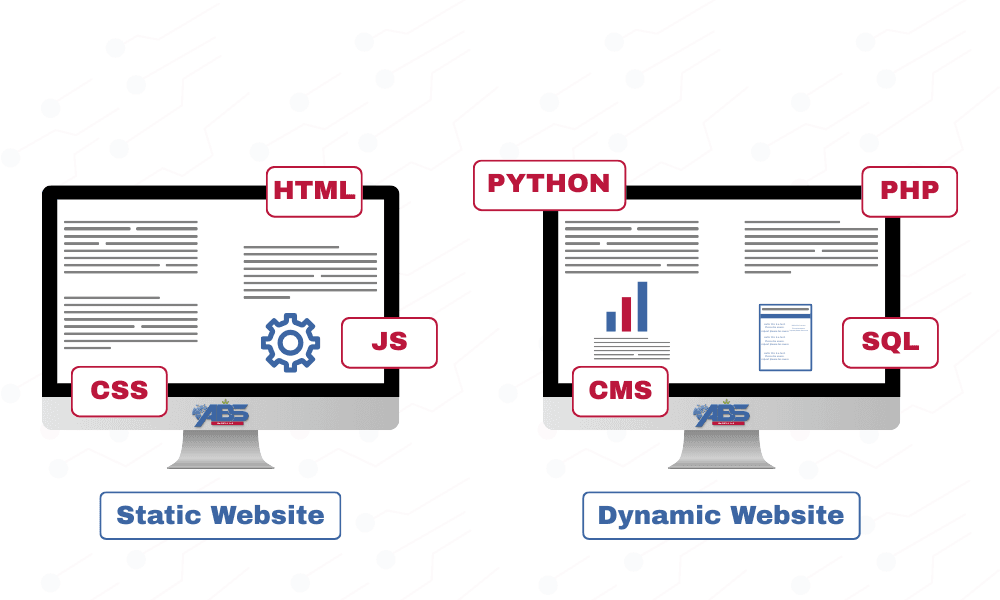
A CMS is valuable when the business publishes blogs, projects, jobs, notices, team profiles, or frequently changing service information. It should simplify publishing without giving every editor control over fragile design or technical settings.
Build SEO, speed, and trust into the foundation
Search visibility depends on crawlable pages, meaningful headings, useful content, clean canonical URLs, internal links, metadata, image handling, mobile usability, and reliable performance. These decisions are easier during development than after a website has accumulated technical debt.
Trust also comes from accurate contact information, clear policies, secure forms, HTTPS, genuine project evidence, accountable authorship, and honest claims. A polished interface cannot compensate for missing or inconsistent business information.
Plan measurement and maintenance before launch
Define the actions that matter: enquiry submissions, calls, email clicks, direction requests, downloads, or account registrations. Analytics should measure these actions without collecting unnecessary personal information.
After launch, assign responsibility for updates, backups, security patches, form delivery, uptime, content reviews, and performance checks. A website remains useful when ownership continues beyond the launch date.
Practical checklist
- One primary business goal and a defined target audience
- A sitemap with a unique purpose for every important page
- Approved content, image, and CMS responsibilities
- Mobile, accessibility, SEO, performance, and security requirements
- Hosting, analytics, support, and maintenance ownership
Common mistakes to avoid
- Starting visual design before agreeing on content and customer intent
- Putting every service on one thin page with no useful detail
- Launching without testing forms, redirects, analytics, backups, and mobile layouts
How ABS Soft can help
ABS Soft provides website development with a clear process covering discovery, scope, implementation, review, launch, and support. The recommendation depends on your users, workflow, existing systems, budget, and long-term ownership needs.
Explore our Website Development service or contact the team for a requirement-focused discussion.
Frequently asked questions
How long does a business website take?
The timeline depends on page count, content readiness, custom functionality, integrations, approval speed, and testing. A clear scope is more reliable than a generic time estimate.
Should a small business use a CMS?
Use a CMS when non-technical staff must update structured content regularly. A simpler setup may be better when changes are rare and handled by a support team.
Is SEO included during development?
Technical and on-page SEO foundations should be included. Ongoing search growth also requires content, authority, measurement, and regular improvement after launch.
Final takeaway
The best decision is not the one with the most features. It is the one that solves the right problem, is understandable to its users, can be operated safely, and leaves room for measured improvement.